


How to Read the Bible
What the Bible Is and How It Was Written




Introduction
The Bible is one of the most influential books in history, but what is it exactly? Find out by learning about the Bible’s history, overall story, and literary styles.


 How to Read the Bible
- The Bible as Divine Literary Art
- What's in Your Bible?
- What Is the Story of the Bible?
- Ancient vs. Modern Ways of Reading Scripture
- Is Reading the Bible Together Just a Form of Groupthink?
- Literary Genres and the Stories We Tell Ourselves
- Poetry, Narrative, and Prose Discourse
- Why Isn't There More Detail in Bible Stories?
- The Bible as Jewish Meditation Literature: Jewish Scripture Meditation vs. Modern Meditation

Narrative
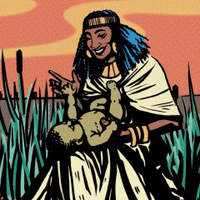
Narratives, or stories, make up nearly half of the Bible’s content! Learn about elements of biblical stories, including plot, characters, settings, and design patterns.




Poetry
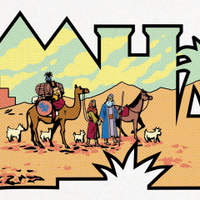
A third of the Bible is composed of Hebrew poetry, which follows its own rules and conventions. Learn the basics about this style of poetry and how it’s used in the Psalms and prophetic writings.


Law
The first five books of the Bible contain hundreds of laws given to ancient Israel. Explore these resources to understand how we can interpret and apply the wisdom of these laws today.


Wisdom
King Solomon—regarded as Israel’s wisest king—is connected to three books of the Bible: Proverbs, Ecclesiastes, and the Song of Songs. Dig into these books known for their wisdom and understand how they relate to the larger story of the Bible.


The Gospels and Parables of Jesus
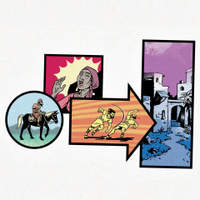
The Bible contains four biographies of Jesus that are known as the Gospels: Matthew, Mark, Luke, and John. And each gospel account contains many of Jesus’s teachings in the form of parables—short stories that illustrate truths about God’s Kingdom. Explore these resources to understand the style and approach of the Gospels and how to interpret the parables.



New Testament Letters
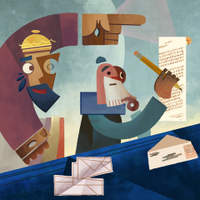
The New Testament contains twenty-one letters that early Christian leaders wrote to communities of Jesus’s followers in the first-century Roman Empire. Gain a greater understanding of these letters by learning about their historical and literary context.



 New Testament Letters
- Context Is Crucial
- A Living Sacrifice?
- How To Live Like Jesus Is Lord
- Honor-Shame Culture and the Gospel
- The Drama We Don’t Know
- Did Paul Actually Say That?
- Which New Testament Commands Should We Obey?
- Pen, Parchment, and People
- Four Steps to Argument Tracing
- How Much Context Do We Really Need?

Apocalyptic Literature
In the Bible, an apocalypse has less to do with the world ending and more to do with God revealing the true nature of reality. Explore the meaning of the word apocalypse and learn how to interpret the intense imagery and strange symbols of apocalyptic literature.


Bonus Material
In this section, you’ll find materials that will help you dig deeper and apply all the content from this collection, including a class, reading plan, and printed book.